Why Major Cities Around the World Are Struggling With Rising Heat
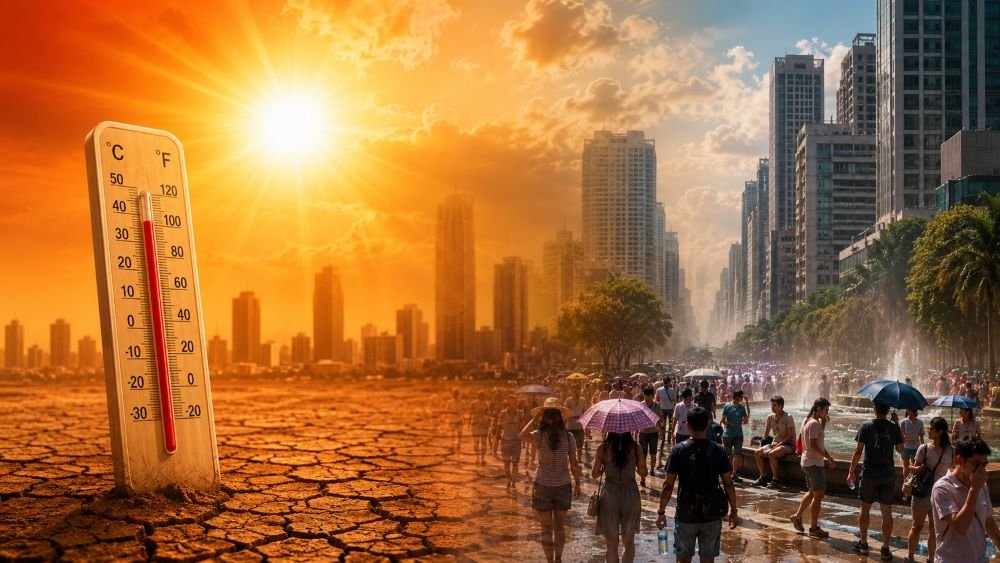
Major cities across the world are entering a new phase of environmental pressure as rising heat levels increasingly affect infrastructure, public health, economic stability, transportation systems, and daily life. Urban centers that once viewed extreme heat as seasonal discomfort are now confronting longer heatwaves, warmer nights, increased energy demand, and growing stress on essential services.
The issue is no longer limited to traditionally hot regions. Cities across North America, Europe, Asia, and parts of South America are recording unusual temperature patterns that are reshaping how governments, businesses, and residents approach urban living. The growing concern extends beyond weather itself. Rising heat is becoming a structural challenge for modern cities.
As per source reporting from World Meteorological Organization, global temperatures continue to show long-term warming trends that are contributing to more frequent and intense heat events across densely populated urban regions.
Urban Heat Is Becoming More Dangerous Than Many Cities Expected
Large cities naturally retain more heat than surrounding rural areas due to what experts describe as the urban heat island effect. Concrete surfaces, asphalt roads, dense construction, limited vegetation, glass-heavy architecture, and concentrated human activity trap heat throughout the day and release it slowly at night.
This process creates significantly warmer urban environments, especially during summer months. The temperature difference between city centers and nearby rural regions can sometimes reach several degrees.
Modern urban development accelerated faster than climate adaptation planning in many regions. Older infrastructure systems were designed for historical climate conditions rather than prolonged periods of extreme heat.
The result is becoming increasingly visible in transportation networks, electricity demand, water systems, healthcare capacity, and residential living conditions.
As per source analysis from NASA Earth Observatory, urban surfaces absorb and retain heat more intensely than natural landscapes, increasing localized warming within major metropolitan areas.
Heat Pressure Is Reshaping Public Health Concerns
Public health agencies are paying increasing attention to rising urban temperatures due to their connection with heat exhaustion, respiratory problems, cardiovascular stress, dehydration, and mental fatigue.
Extreme heat affects vulnerable populations most aggressively, including elderly residents, outdoor workers, low-income communities, and individuals without reliable access to cooling systems.
Nighttime heat retention is emerging as a particularly serious issue. Cities that remain warm overnight reduce the body’s ability to recover from daytime exposure. Medical experts increasingly warn that continuous heat exposure over multiple days can significantly increase health risks.
Healthcare systems in several countries are already reporting rising seasonal pressure connected to heat-related illness.
As per source findings from World Health Organization, heat stress is becoming one of the leading weather-related health risks globally, especially in densely populated urban environments.
Energy Systems Are Facing Growing Stress
Rising temperatures are also placing unprecedented demand on electrical infrastructure.
Air conditioning usage increases sharply during extreme heat periods, creating spikes in electricity consumption that many aging grids struggle to manage efficiently. Cities experiencing rapid population growth are particularly vulnerable when infrastructure expansion fails to match rising energy demand.
Several experts believe future urban competitiveness may increasingly depend on energy resilience rather than traditional economic metrics alone.
The relationship between heat and electricity demand is creating a feedback cycle in many cities. Higher temperatures increase cooling dependence, while energy-intensive cooling systems contribute further pressure to environmental systems.
Governments and utility providers are increasingly discussing:
- smart grid expansion
- energy-efficient construction
- reflective building materials
- renewable power integration
- urban tree canopy development
- climate-adaptive infrastructure planning
These discussions are moving from environmental policy circles into mainstream economic planning.
Transportation Systems Are Quietly Being Affected
Transportation infrastructure is also showing growing vulnerability to heat-related stress.
Rail systems can expand under prolonged heat exposure. Roads and airport runways may experience surface damage during extreme conditions. Public transit systems often face operational pressure as cooling systems work harder during high-temperature periods.
Workers within logistics, construction, emergency services, delivery sectors, and transportation industries are increasingly exposed to dangerous heat conditions during extended outdoor operations.
Several cities are now reviewing long-term transportation planning through a climate resilience lens rather than purely through traffic efficiency models.
Economic Productivity Is Beginning to Shift
Rising urban heat is gradually becoming an economic issue in addition to an environmental challenge.
Worker productivity declines during prolonged heat exposure, especially in industries requiring physical activity or outdoor labor. Businesses are facing higher cooling costs, increased operational stress, insurance concerns, and growing infrastructure maintenance expenses.
Commercial real estate markets are also beginning to reflect climate-related concerns. Buildings with better cooling efficiency, sustainable design, and energy resilience are attracting increased investor attention in several major cities.
As per source research from McKinsey & Company, climate-related heat pressure may increasingly influence economic productivity, infrastructure investment, and urban competitiveness over the coming decades.
Global Cities Are Entering a Climate Adaptation Era
Several governments are already experimenting with new urban cooling strategies.
Cities around the world are investing in:
- reflective roofing systems
- expanded green spaces
- heat-resistant materials
- cooling centers
- shaded transportation zones
- urban forest projects
- water-sensitive city planning
Singapore, Tokyo, Dubai, Copenhagen, and several U.S. cities are testing climate-adaptive urban development models designed to reduce long-term heat accumulation.
The broader challenge involves balancing population growth, economic expansion, environmental sustainability, and infrastructure modernization simultaneously.
Rapid urbanization continues across many regions of the world. More people are moving into cities while climate conditions become increasingly demanding. That combination is accelerating pressure on local governments.
Rising Heat May Change How Future Cities Are Designed
Urban heat is beginning to influence architecture, engineering, zoning, transportation planning, and public policy at deeper structural levels.
Future cities may prioritize:
- cooling efficiency
- smart energy systems
- climate-responsive construction
- shaded pedestrian infrastructure
- reduced heat absorption materials
- integrated environmental technology
The next generation of city planning may increasingly revolve around climate resilience rather than purely maximizing density and expansion.
Several analysts believe the cities that adapt earliest may gain long-term economic and population advantages as environmental pressure intensifies globally.
The Psychological Impact of Rising Heat Is Receiving More Attention
Researchers are also examining the relationship between prolonged heat exposure and emotional well-being.
Heat affects sleep quality, cognitive performance, stress levels, mood stability, and overall mental fatigue. Urban residents experiencing repeated periods of extreme heat may gradually face broader quality-of-life concerns that extend beyond physical discomfort.
This dimension is becoming increasingly important as major cities attempt to maintain economic productivity, public health stability, and social resilience simultaneously.
The conversation surrounding rising heat is no longer limited to weather forecasting. It is increasingly becoming a discussion about how modern urban civilization functions under changing environmental conditions.
A New Global Urban Reality Is Emerging
The growing heat pressure affecting major cities represents more than a temporary climate cycle. It reflects a broader transformation in how urban environments interact with infrastructure, energy systems, public health, and economic activity.
Cities that successfully adapt may become models for future urban resilience. Cities that delay infrastructure modernization could face increasing economic and social strain over time.
The international discussion around rising urban heat is expected to intensify as governments, researchers, businesses, and residents confront the long-term realities of climate adaptation in densely populated regions.
IAmericanTimes continues covering world and United States news with a focus on technology, climate, business, infrastructure, social change, and the evolving challenges shaping modern life across global communities.