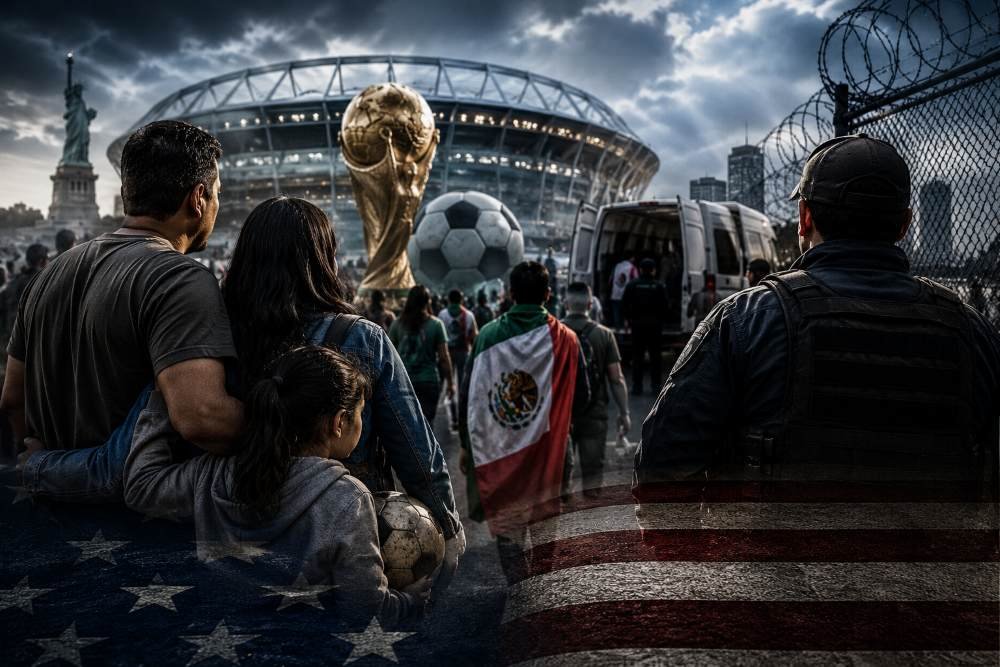
Immigration Fear Hits World Cup Workers and Fans Before the Tournament Begins
The 2026 FIFA World Cup is expected to bring millions of fans to North America, but in the United States, excitement is being mixed with fear. Human rights groups, immigrant communities, stadium workers, and fan advocates are warning that immigration enforcement concerns could affect who feels safe attending, working, or traveling during the tournament.
The World Cup is being promoted as a global celebration across the United States, Canada, and Mexico. Yet in several U.S. host cities, immigration anxiety is already becoming one of the biggest issues surrounding the tournament.
Rights Groups Warn of a “Climate of Fear”
Human rights organizations have warned that U.S. immigration policies and enforcement practices could create a “climate of fear” around World Cup games. Reuters reported that groups including the Sport & Rights Alliance raised concerns about visa issues, aggressive border enforcement, policing, and possible immigration-related risks for fans, journalists, and workers.
The concern is especially serious in U.S. host cities with large immigrant communities. For many families, the World Cup is not just a sports event. It means stadiums, airports, hotels, restaurants, fan zones, public transit, and crowded streets. Advocacy groups argue that these public spaces may feel unsafe for people worried about being questioned, detained, or targeted because of immigration status, nationality, language, or appearance.
The ACLU said more than 120 civil society groups issued a travel advisory for fans, players, journalists, and other visitors attending the 2026 World Cup in areas affected by immigration crackdowns. The group said the warning was connected to concerns over rights violations and immigration enforcement.
Stadium Workers Near Los Angeles Push for Protection
Labor concerns have added another layer to the controversy. More than 2,000 SoFi Stadium workers near Los Angeles voted to authorize a strike just days before the stadium was scheduled to host World Cup matches. The workers included bartenders, cooks, servers, cashiers, and dishwashers represented by UNITE HERE Local 11.
The strike threat was later averted after workers reached a tentative labor agreement with Legends Hospitality. Reuters reported that the proposed contract includes wage increases, safeguards against subcontracting and automation, and privacy protections for worker accreditation at major events. The agreement also includes a clause allowing workers to strike if immigration enforcement actions at the worksite are considered a threat to worker safety during the World Cup.
The Associated Press also reported that the tentative deal covers around 2,000 SoFi Stadium workers and includes wage increases, protections against subcontracting, and protections connected to immigration raids.
For immigrant workers and their families, the labor fight is about more than pay. It is about whether the people serving food, cleaning facilities, and supporting massive stadium operations will feel protected while helping run one of the world’s biggest sporting events.
Why This Issue Matters Beyond Soccer
The World Cup depends on public trust. Fans need to feel safe entering stadiums. Workers need to feel secure showing up for shifts. Journalists need to move freely. Local communities need to believe the tournament will not bring more fear, surveillance, or disruption into their neighborhoods.
Amnesty International has warned that the 2026 tournament could pose serious human rights risks for fans, workers, players, journalists, and local communities. Reuters reported that Amnesty said the tournament was moving away from the “safe, free and inclusive” event originally promised by FIFA.
The issue is especially sensitive because World Cup host cities rely heavily on immigrant labor. Hotels, restaurants, transportation services, stadium concessions, cleaning crews, and event operations often depend on workers from immigrant communities. If those workers feel unsafe, the tournament’s smooth operation could be affected.
Officials Try to Reassure the Public
The White House has dismissed criticism from rights groups and said the tournament will be safe and successful, according to Reuters. Local law enforcement in Los Angeles has also said it will not conduct civil immigration enforcement at World Cup venues.
Still, advocacy groups say verbal reassurance is not enough. They are calling for clear protections before the tournament begins, including safeguards for workers, fans, journalists, and local residents.
For FIFA, the challenge is no longer only about stadium readiness or ticket sales. It is about whether the tournament can truly feel open and welcoming for everyone.
A Global Celebration With a Growing U.S. Controversy
The 2026 FIFA World Cup is expected to be one of the largest sporting events ever held in North America. It will bring together countries, cultures, fans, athletes, and workers from around the world.
Yet in the United States, immigration fear is already shaping the conversation before the first whistle.
The central question is now bigger than soccer: will the World Cup feel like a global celebration for everyone, or will some fans and workers stay away because fear kept them from taking part?